

Discover the World of Bourbon
Explore Our Premium Selection
Uncover the rich flavors and storied heritage of bourbon with our expertly curated collection. Perfect for enthusiasts and collectors alike, our selection offers something for every palate.

Understanding Bourbon Tasting Notes
Bourbon Tasting Guides
Shop Whiskey, Bourbon & Spirits by Taste Profile
🥃 Rich & Bold
Perfect for those who enjoy full-bodied bourbons and robust whiskies with deep oak, dark chocolate, leather, espresso, and toasted spice flavors.
Explore Spirits by Brand
🍯 Smooth & Sweet
Enjoy approachable spirits featuring honey, vanilla, caramel, butterscotch, and soft oak with an exceptionally smooth finish.
Explore Spirits by Brand
🔥 Smoky & Peaty
Discover intensely smoky whiskies featuring peat smoke, sea salt, campfire, medicinal herbs, and coastal character.
Explore Spirits by Brand
🌶 Spicy
Explore whiskies with bold rye spice, cinnamon, black pepper, clove, nutmeg, and lively complexity.
Explore Spirits by Brand
🍎 Fruity
Enjoy elegant spirits with vibrant notes of orchard fruit, berries, citrus, dried fruits, and tropical sweetness.
Explore Spirits by Brand
🌸 Floral
Browse refined spirits with delicate floral aromas, herbal complexity, soft honey, and elegant botanical character.
Explore Spirits by Brand
🍮 Vanilla & Caramel
Explore premium bourbons and aged spirits offering rich vanilla bean, caramel, brown sugar, toasted oak, and butterscotch flavors.
Explore Spirits by Brand
🪵 Oak Finished
Explore premium bourbons and aged spirits offering rich vanilla bean, caramel, brown sugar, toasted oak, and butterscotch flavors.
Explore Spirits by Brand
🍷 Sherry Cask
Experience whiskies matured in sherry-seasoned oak casks, delivering rich notes of raisins, dried figs, dark chocolate, spice, and orange peel.
Explore Spirits by Brand
Explore Iconic Distilleries
Journey Through Bourbon's Heartland
Delve into the intricate world of bourbon tasting. Learn to identify key aromas like vanilla, caramel, and oak, and discover how these notes evolve with aging. Our guides offer insights into pairing bourbon with foods like steak and chocolate, enhancing your tasting experience.
Embark on a virtual tour of renowned Kentucky and American distilleries. Gain insights into the craftsmanship behind each bottle, from the historic halls of Buffalo Trace to the innovative techniques at Maker's Mark. Experience the passion and tradition that define these legendary producers.
Understanding Bourbon Mash Bills
The mash bill is the recipe of grains used to create bourbon. While corn must make up the majority of the recipe, the secondary grains significantly influence flavor.
A typical bourbon mash bill may contain:
- 60–80% corn
- 10–35% rye or wheat
- 5–15% malted barley
Different mash bills create different bourbon styles.

High Rye Bourbon
High Rye Bourbon
High rye bourbon uses a larger percentage of rye grain, creating a spicier and bolder whiskey.
Common flavor notes include:
- Black pepper
- Cinnamon
- Baking spices
- Dark fruit
- Oak
High rye bourbon is often preferred by whiskey drinkers who enjoy a stronger, more complex profile.
Wheated Bourbon
Wheated bourbon replaces rye with wheat as the secondary grain. This produces a softer and smoother whiskey with sweeter flavors.
Typical notes include:
- Honey
- Vanilla
- Caramel
- Soft fruit
- Creamy sweetness
Wheated bourbon is often recommended for beginners because of its approachable and gentle character.
The barrel is one of the most important ingredients in bourbon production. While the whiskey begins as a clear spirit, years inside a charred oak barrel transform it into a complex amber-colored whiskey.
The barrel contributes:
Understanding Bourbon Mash Bills
Complexity
Longer barrel aging introduces additional layers of flavor, including:
- Toasted oak
- Chocolate
- Leather
- Tobacco
- Dried fruit
The level of barrel char also affects the final bourbon profile. A heavier char can create deeper caramelized flavors and stronger oak influence.
Vanilla and Caramel Flavors
Oak naturally contains compounds that create vanilla and caramel flavors during aging.
Color Development
Bourbon receives its natural color from barrel interaction. No artificial coloring is added to bourbon.
Kentucky Bourbon: Why Is It Famous?
While bourbon can be made anywhere in America, Kentucky remains the heart of bourbon culture and production. Kentucky has become the world’s most recognized bourbon-producing region due to its history, natural resources, and ideal aging conditions.
Kentucky bourbon is famous because of:
Limestone Water
Many Kentucky distilleries use limestone-filtered water that is naturally rich in minerals and free from iron, making it ideal for whiskey production.
Climate Conditions
Kentucky experiences warm summers and cold winters, allowing bourbon to move in and out of the barrel wood during aging. This accelerates flavor development.
Generations of Expertise
Many Kentucky distilleries have been producing bourbon for more than a century, passing traditional techniques from one generation to another.
Expert Tips for Bourbon Collectors
For those passionate about bourbon collecting, understanding the nuances of limited editions and investment-grade bottles is crucial. Start by researching distilleries known for their small-batch releases and unique offerings. Limited editions often come with a story or a special aging process that adds to their allure and value. Keep an eye on annual releases from renowned distilleries, as these can become highly sought after by collectors.
When considering bourbon as an investment, focus on bottles with a proven track record of appreciation. Look for releases that have garnered awards or have a historical significance. It's also wise to store your collection properly, ensuring bottles are kept in a cool, dark place to maintain their quality. Networking with other collectors can provide insights into upcoming releases and market trends, helping you make informed purchasing decisions.
Bourbon Aging: Does Older Mean Better?
Age is one of the biggest factors buyers consider when purchasing bourbon. However, older does not always mean better. During aging, bourbon develops flavors from the oak barrel. Younger bourbon may have brighter grain and sweet flavors, while older bourbon often develops deeper complexity. Common bourbon age ranges include:
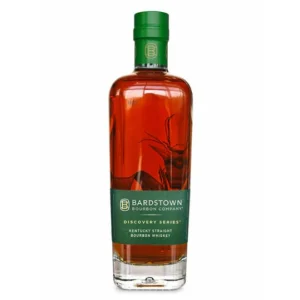
Young Bourbon (2–4 Years)
Usually features:
- Fresh grain flavors
- Light sweetness
- Mild oak influence
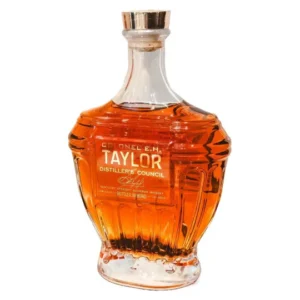
Medium-Aged Bourbon (5–10 Years)
Often considered the ideal balance for many bourbon enthusiasts.
Typical flavors:
- Caramel
- Vanilla
- Oak spice
- Fruit notes
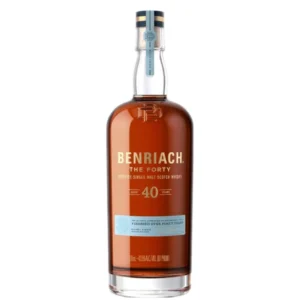
Older Bourbon (10+ Years)
Can develop:
- Rich oak flavors
- Tobacco
- Leather
- Dark chocolate
- Dried fruit

Bottled in Bond
Browse authentic Bottled in Bond bourbons, produced under strict federal standards to guarantee quality, age, and authenticity.

Small Batch Bourbon
Explore expertly blended small batch bourbons crafted in limited quantities for exceptional balance, depth, and flavor.

Single Barrel Bourbon
Experience the unique character of single barrel bourbon, where every bottle comes from one carefully selected cask.
Barrel Proof Bourbon
Barrel proof bourbon is bottled at nearly the same strength as when it comes directly from the barrel. Unlike standard bourbon, it receives little or no dilution before bottling.
Barrel proof bourbon typically offers:
- Higher alcohol intensity
- Stronger flavors
- More concentrated aromas
- Longer finishes
Common barrel proof flavors include:
- Dark caramel
- Oak spice
- Chocolate
- Cinnamon
- Toasted nuts
These bottles are popular among experienced bourbon drinkers who enjoy bold and powerful whiskey.
About Our Premium Bourbon Collection
Experience the Heritage of Premium Kentucky Bourbon
Bourbon is more than America's native spirit—it is a symbol of craftsmanship, history, and tradition that has been perfected over centuries. At Bourbon Whiskey Market, we are proud to offer one of the finest online selections of authentic premium bourbon, bringing together legendary Kentucky distilleries, award-winning producers, and highly sought-after collector bottles in one destination. Whether you're looking to buy bourbon online for everyday enjoyment, searching for a rare release to expand your collection, or selecting the perfect luxury gift, our carefully curated portfolio reflects the very best of American whiskey.
The Heritage of Kentucky Bourbon
Kentucky has long been recognized as the birthplace of the world's finest bourbon. With its naturally limestone-filtered water, ideal climate for barrel aging, and generations of master distillers, the Bluegrass State produces nearly all of the world's bourbon. Seasonal temperature changes encourage whiskey to expand and contract within new charred American oak barrels, creating the deep caramel, vanilla, oak, and spice flavors that define authentic Kentucky bourbon.
For more than two centuries, Kentucky distilleries have preserved traditional methods while embracing innovation, producing bourbons that have earned international recognition for their quality and craftsmanship. This rich heritage continues today through family-owned distilleries and globally respected producers that remain committed to creating exceptional whiskey for every generation of bourbon enthusiasts.
A Tradition Built on American Whiskey Craftsmanship
Every bottle in our collection represents the dedication, patience, and expertise that define American whiskey making. Bourbon begins with carefully selected grains, including corn, rye, wheat, and malted barley, before undergoing fermentation, distillation, and years of maturation inside new charred American oak barrels. During this aging process, the whiskey develops its signature character, revealing layers of caramel, vanilla, toasted oak, dark fruit, baking spices, and rich complexity.
Our collection showcases every style of bourbon, from smooth wheated bourbons and balanced small batch bourbons to bold single barrel, barrel proof, and Bottled in Bond expressions. Whether you enjoy approachable everyday pours or powerful cask-strength releases, you'll discover bourbons crafted to satisfy every palate and level of experience.
Exceptional Premium Craftsmanship
We believe every bottle should represent the highest standards of quality. That's why our portfolio features bourbons from some of Kentucky's most respected distilleries, including Buffalo Trace, Maker's Mark, Four Roses, Woodford Reserve, Old Forester, Wild Turkey, Michter's, Heaven Hill, Willett, Bardstown Bourbon Company, and many other iconic producers.
These distilleries combine centuries of tradition with modern innovation, producing award-winning bourbons through meticulous grain selection, proprietary yeast strains, careful barrel management, and expert blending. The result is an outstanding selection of premium bourbon celebrated around the world for its consistency, depth of flavor, and remarkable craftsmanship.
Rare & Collectible Bourbon
For collectors and enthusiasts, Bourbon Whiskey Market offers access to some of the most desirable rare bourbon releases available today. Our inventory regularly features allocated bourbon, annual limited editions, highly coveted single barrel selections, and age-statement expressions that have become icons within the whiskey community.
Discover legendary bottles such as Pappy Van Winkle, George T. Stagg, Blanton's, Weller, Eagle Rare, Old Forester Birthday Bourbon, Michter's 10 Year, and many other collectible releases produced in extremely limited quantities. These bottles are admired not only for their exceptional flavor but also for their rarity, heritage, and long-term collectible appeal.
Luxury Bourbon for Every Occasion
Premium bourbon has become one of the world's most appreciated luxury gifts. Whether celebrating a birthday, anniversary, wedding, retirement, corporate milestone, or holiday, an exceptional bottle of bourbon creates a memorable experience that lasts far beyond the occasion itself.
Whether you're purchasing a flagship Kentucky bourbon or a highly sought-after limited release, you can shop knowing that every bottle reflects the quality, integrity, and authenticity expected from the world's leading bourbon producers.
Our Commitment to Every Customer
At Bourbon Whiskey Market, we're committed to providing more than an outstanding selection of bourbon—we're dedicated to delivering an exceptional shopping experience. Our secure online store, knowledgeable customer support, carefully curated inventory, and dependable shipping process make it easy to discover and purchase authentic premium bourbon with confidence.
Our carefully curated selection includes elegant gift-worthy bottles suitable for experienced collectors, business executives, whiskey enthusiasts, and first-time bourbon drinkers alike. From approachable premium labels to investment-worthy collector releases, we help customers find the perfect bourbon for every celebration.
Partnering with Kentucky's Most Trusted Distilleries
Our relationships with many of the industry's most respected bourbon brands allow us to offer an exceptional variety of expressions, from everyday favorites to exclusive collector bottles. By working with trusted distilleries and reputable suppliers, we continually expand our collection while maintaining the highest standards of product quality and customer satisfaction.
Whether you're adding a prized bottle to your personal collection, searching for a memorable gift, or simply exploring the remarkable world of Kentucky bourbon, our mission is to help you experience the craftsmanship, history, and passion that have made bourbon one of the world's most celebrated spirits.
Authentic Sourcing You Can Trust
Every bottle available at Bourbon Whiskey Market is sourced through trusted distributors and respected producers to ensure complete authenticity. We understand that purchasing premium and collectible bourbon requires confidence, which is why we carefully verify every product before it becomes part of our collection.
Whether you prefer smooth wheated bourbons, bold high-rye recipes, sophisticated single barrels, or limited-edition releases, you'll find an impressive selection representing the very best of American bourbon craftsmanship.
From iconic Kentucky classics to today's most sought-after rare bourbon releases, Bourbon Whiskey Market is proud to be your trusted destination to buy bourbon online and discover the finest expressions of authentic American whiskey.
Crafting the Perfect Bourbon Cocktail
Bourbon Cocktails: Classic to Contemporary
Bourbon's versatility makes it a staple in both classic and modern cocktails. For a timeless experience, try a Bourbon Old Fashioned, where the rich flavors of the spirit are complemented by a hint of bitters and a twist of citrus. Another classic is the Mint Julep, perfect for a refreshing summer sip with its blend of bourbon, mint, and sugar.
For those looking to explore modern twists, consider a Bourbon Smash, which combines the boldness of bourbon with fresh fruit and herbs for a vibrant taste. The Boulevardier is another sophisticated choice, offering a bourbon-forward take on the Negroni with its bittersweet balance of Campari and sweet vermouth. Serve these cocktails in elegant glassware to enhance the drinking experience, and don't forget the garnish, which adds both aroma and visual appeal.
Explore New Flavors with Bourbon Cocktails
Bourbon Knowledge Hub
What makes bourbon unique compared to other whiskies?
Bourbon is distinct due to its production process, which requires at least 51% corn in the mash bill, aging in new charred oak barrels, and no additives for coloring or flavoring. This results in its characteristic sweetness and rich flavor profile.
How does the aging process affect bourbon?
The aging process allows bourbon to develop its complex flavors. As it matures in the barrel, it absorbs compounds from the wood, such as vanillin and tannins, which contribute to its depth and character. The climate and storage conditions also play a significant role in the aging process.
What is a mash bill?
A mash bill is the recipe of grains used to produce bourbon. It typically includes corn, rye or wheat, and malted barley. The proportions of these grains influence the flavor profile of the final product, with higher rye content often resulting in a spicier bourbon.
How should bourbon be stored to maintain its quality?
Bourbon should be stored upright in a cool, dark place to prevent the cork from drying out and to protect it from light and temperature fluctuations, which can degrade its quality over time.
Is older bourbon always better?
Not necessarily. While older bourbons can offer more complexity, they may also become overly woody or tannic. The best bourbon is often a matter of personal preference, balancing age with flavor profile.
Bourbon Buying Tips


Choosing the perfect bourbon can be an art form, blending personal taste with an understanding of the spirit's nuances. Start by considering the flavor profile: do you prefer the rich sweetness of vanilla and caramel, or the robust spice of cinnamon and tobacco? Next, evaluate the proof, which can range from a smooth 80 to a fiery 130. Higher proof bourbons often offer more intense flavors but may require a splash of water to fully appreciate their complexity. Reading labels is crucial; look for age statements that indicate the maturity of the bourbon and terms like 'single barrel' or 'small batch' for insights into production methods. Whether you're a beginner or a seasoned collector, understanding these elements will enhance your bourbon selection experience.
Bourbon Flavor Guide
Vanilla & Caramel
Vanilla and caramel are hallmark flavors in bourbon, often derived from the charred oak barrels used during aging. These sweet notes are typically more pronounced in younger bourbons, providing a smooth and inviting entry point for new enthusiasts.
Oak & Spice
The oak barrels impart a woody character to bourbon, complemented by spices like cinnamon and nutmeg. This combination creates a warm, complex profile that develops over time, making it a favorite among seasoned drinkers.
Dark Fruit & Chocolate
Notes of dark fruit and chocolate emerge in bourbons aged longer, where the interaction between spirit and wood deepens. These flavors add a luxurious depth, perfect for those who appreciate a richer, more decadent sip.
Honey & Tobacco
Honey and tobacco flavors provide a unique balance of sweetness and earthiness, often found in bourbons with a high rye content. This intriguing mix is ideal for those seeking a bold and distinctive tasting experience.

Bourbon Pairing Tips
Bourbon's versatility makes it an excellent companion for a variety of foods. Pair a robust bourbon with a juicy steak or smoked meats to enhance the savory flavors. For a touch of sweetness, try it alongside chocolate desserts or pecan pie, where the bourbon's caramel and vanilla notes can shine. Cheese and nuts also make delightful pairings, offering a balance of textures and flavors that complement bourbon's complexity. Whether you're hosting a dinner party or enjoying a quiet evening, these pairings will elevate your bourbon experience.

Bourbon Buying Guide
Everything You Need to Know Before Buying Bourbon Whiskey
Bourbon is one of the most respected and collectible styles of American whiskey, known for its rich flavors, strict production standards, and deep connection to American distilling traditions. Whether you are a beginner exploring bourbon for the first time or an experienced collector searching for rare bottles, understanding what makes bourbon unique will help you choose the right bottle for your taste and budget.
Unlike many spirits, bourbon must follow specific legal requirements that define its identity. From the grain recipe used in production to the type of barrels used for aging, every step influences the final flavor profile. This bourbon buying guide explains the key factors to consider when selecting a bourbon, including mash bills, aging, barrel proof, bottled in bond expressions, small batch releases, single barrel bottles, and popular styles such as wheated bourbon.
Bourbon stands apart from other whiskey categories because of its strict production rules and distinctive flavor characteristics. While all bourbon is whiskey, not all whiskey qualifies as bourbon. The combination of corn-based mash bills, new charred oak barrels, and American aging conditions creates the signature profile bourbon lovers recognize.
The use of new charred oak barrels is one of the most important factors separating bourbon from other whiskey styles. When bourbon enters a freshly charred barrel, the wood releases natural sugars, tannins, and compounds that create flavors such as caramel, maple, toasted oak, and vanilla.
Most bourbon delivers a balance of:
- Sweet caramel and vanilla notes from oak aging
- Rich grain flavors from the corn-based mash bill
- Spiced flavors from barrel char and fermentation
- Fruity and nutty characteristics developed during maturation
Bourbon is also unique because climate plays an important role in aging. Many Kentucky distilleries experience seasonal temperature changes that cause whiskey to expand into the wood during warm months and contract back during cooler periods. This interaction between whiskey and oak creates deeper complexity over time.
Legal Requirements of Bourbon
Bourbon is one of the most highly regulated spirits in the world. To legally be labeled as bourbon whiskey, every bottle must meet strict federal production standards. These regulations ensure authenticity, quality, and consistency, giving bourbon its distinctive character and reputation among whiskey enthusiasts.
These strict legal standards are what make bourbon whiskey unique among the world's spirits. From the corn-rich mash bill and new charred oak barrels to regulated distillation and bottling practices, every step is designed to preserve the authenticity, craftsmanship, and exceptional flavor that bourbon lovers appreciate. Understanding these requirements can help you make more informed decisions when choosing your next bottle of premium bourbon.
Bottled at a Minimum of 80 Proof
To be sold as bourbon, the finished whiskey must be bottled at 80 proof (40% ABV) or higher. This ensures every bottle delivers the strength, flavor, and quality expected from authentic American bourbon whiskey.
Made in the United States
To be called bourbon, the whiskey must be produced in the United States. Although Kentucky is renowned as the heart of bourbon country, authentic bourbon can legally be distilled and aged in any U.S. state, provided it follows all federal production regulations.
🌽 Minimum 51% Corn Mash Bill
Every bourbon mash bill must contain at least 51% corn, giving bourbon its signature sweetness and smooth character. The remaining grains often include rye for spice, wheat for a softer profile, and malted barley to support fermentation and add complexity.
🛢️ Barrel Entry Proof of 125 or Lower
Before aging begins, bourbon must enter the barrel at 125 proof (62.5% ABV) or less. This requirement promotes optimal interaction between the whiskey and the oak, helping develop balanced flavors and greater complexity during maturation.
Aged in New Charred Oak Barrels
Federal law requires bourbon to mature exclusively in brand-new charred American oak barrels. The fresh charred wood imparts the rich caramel, vanilla, toasted oak, and amber color that define premium bourbon whiskey.
Distilled Below 160 Proof 🥃
Bourbon must be distilled at no more than 160 proof (80% ABV). This limit preserves the natural flavors of the grains, ensuring the finished whiskey retains its rich character instead of becoming a neutral spirit.
How to Choose the Right Bourbon
Choosing the right bourbon depends on understanding the details behind each bottle. Factors such as mash bill, barrel aging, proof, production methods, and bourbon classifications all influence the final experience. Whether you prefer the smooth sweetness of a wheated bourbon, the bold character of a high rye bourbon, or the intensity of a barrel proof release, there is a bourbon style for every whiskey enthusiast.
A great bourbon is more than just a drink it represents craftsmanship, tradition, and the history of American whiskey-making. Use this bourbon buying guide to explore different styles, compare bottles, and discover the perfect bourbon for your collection or next tasting experience.
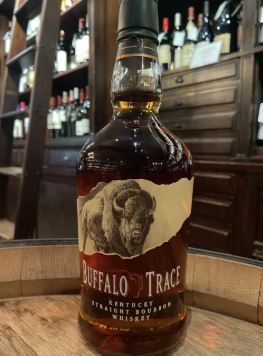
For Beginners

For Experienced Whiskey Drinkers
For Collectors
The Ultimate Guide to Scotch Whisky
Few spirits command the respect, heritage, and prestige of Scotch whisky. Produced exclusively in Scotland and crafted according to centuries-old traditions, Scotch represents the pinnacle of whisky-making excellence. Every bottle reflects generations of knowledge, meticulous craftsmanship, and the unique influence of Scotland's landscapes, climate, and natural resources.
Whether you are new to whisky or an experienced collector, understanding the history, production methods, and regional diversity of Scotch allows you to appreciate why it remains one of the world's most celebrated luxury spirits.
At Bourbon Whiskey Market, we proudly offer an extensive collection of authentic premium Scotch whisky, including award-winning single malt Scotch, elegant blended expressions, limited editions, and highly sought-after rare Scotch whisky from Scotland's most respected distilleries.

Unlike many other spirits, Scotch whisky develops its character slowly through years of maturation. During this time, the whisky absorbs flavors from the oak while interacting with Scotland's cool climate, creating remarkable complexity and elegance.
What is Scotch Whisky?
Scotch whisky is a distilled spirit that can only be produced, matured, and bottled in Scotland while meeting strict legal standards established under the Scotch Whisky Regulations 2009. These regulations ensure that every bottle labeled as Scotch whisky maintains the authenticity and quality that has made Scotland famous throughout the world.
Scotch is produced from water, malted barley, and, depending on the style, other cereal grains. After fermentation and distillation, the whisky must mature in oak casks in Scotland for a minimum of three years.
Today, Scotch whisky is exported to more than 180 countries and remains one of the world's most prestigious luxury spirits.
What is Scotch Whisky?
The story of Scotch whisky stretches back hundreds of years. Distillation techniques were introduced to Scotland by monks as early as the fifteenth century, although many historians believe whisky production existed even earlier. Modern distilleries combine centuries-old traditions with advanced technology while preserving the distinctive character that has made Scotch whisky famous worldwide.
Initially produced for medicinal purposes, whisky gradually became an important part of Scottish culture and commerce. By the eighteenth century, legal distilleries began appearing throughout Scotland, and improvements in production transformed whisky into an internationally respected spirit.
The nineteenth century marked a turning point with the invention of continuous distillation and improved transportation. These innovations allowed Scottish whisky to reach markets across Europe, North America, and Asia, establishing globally recognized brands that continue to define the industry today.
Scottish Whisky Laws
One reason Scotch maintains such exceptional quality is its strict legal protection.
To legally be called Scotch whisky, a spirit must:
- Be produced entirely in Scotland.
- Be distilled from water, malted barley, and permitted cereal grains.
- Be fermented using yeast.
- Mature in oak casks within Scotland.
- Be aged for a minimum of three years.
- Be bottled at a minimum of 40% ABV.
- Contain no additives except water and plain caramel coloring where permitted.
These regulations guarantee authenticity while protecting Scotland's centuries-old whisky heritage.
Whiskey Aging Process
Discover how aging in oak barrels influences the flavor and aroma profiles of whiskey, creating a rich and complex spirit.


Scotland's Whisky Regions
Scotland's geography plays an important role in shaping whisky character. Every region produces distinctive flavor profiles that appeal to different palates.
Speyside
Home to over half of Scotland's distilleries, Speyside produces elegant whiskies rich in honey, vanilla, orchard fruits, dried fruit, and soft spice.
Famous distilleries include:
Understanding Age Statements
Age statements indicate the youngest whisky contained in the bottle.
Examples include:
- 10 Year
- 12 Year
- 15 Year
- 18 Year
- 21 Year
- 25 Year
- 30 Year
Longer maturation often creates greater depth and refinement, but older isn't always better. The quality of the cask, warehouse conditions, and master blender's expertise are equally important in determining the final character of a whisky.
How to Taste Scotch Whisky
Scotch whisky is best appreciated slowly.
Professional tasting typically follows four steps:
Observe
Examine the color, which can range from pale gold to deep mahogany depending on cask maturation.
Nose
Gently swirl the whisky before identifying aromas such as honey, vanilla, dried fruit, citrus, spice, smoke, floral notes, or oak.
Taste
Take a small sip and allow the whisky to coat your palate. Notice how sweetness, fruit, spice, smoke, and oak develop as the flavors evolve.
Finish
The finish refers to the lingering flavors after swallowing. Premium Scotch often delivers long, complex finishes that continue developing for several minutes.
Adding a few drops of water can help open up aromas and reveal additional layers of flavor, particularly in higher-proof expressions.
Collecting Rare Scotch Whisky
Scotch whisky has become one of the fastest-growing categories in the luxury collectibles market.
Collectors often seek:
- Limited editions
- Single cask releases
- Annual special releases
- Older age statements
- Distillery-exclusive bottlings
- Discontinued expressions
Some of the world's most collectible bottles include:
- The Macallan 25 Year
- The Macallan 30 Year
- Balvenie Tun 1509
- Ardbeg Committee Releases
- Glenlivet Winchester Collection
- Highland Park 40 Year
- Springbank Local Barley
- Lagavulin Special Releases
Proper storage is essential. Bottles should be kept upright, away from direct sunlight, in a cool, stable environment to preserve both quality and long-term value.


The Ultimate Guide to Rye Whiskey
Among the many styles of American whiskey, rye whiskey stands apart for its unmistakable spice, remarkable complexity, and deep historical roots. Long before bourbon became America's signature spirit, rye whiskey was the preferred drink of early settlers, Revolutionary leaders, and frontier distillers. Today, it has experienced an extraordinary resurgence, earning widespread acclaim from whiskey enthusiasts, collectors, bartenders, and luxury spirit investors around the world.
Known for its lively notes of black pepper, cinnamon, mint, cloves, citrus, toasted oak, and baking spices, rye whiskey delivers a bold yet refined drinking experience unlike any other whiskey category. Whether enjoyed neat, over ice, or in classic cocktails such as the Manhattan, Old Fashioned, or Sazerac, premium rye whiskey offers exceptional versatility while remaining unmistakably American.
The renewed popularity of rye has inspired many of America's finest distilleries—including WhistlePig, Michter's, Wild Turkey, High West, Sazerac, Sagamore Spirit, New Riff, and Pikesville—to produce award-winning expressions ranging from approachable everyday bottles to highly allocated collector's editions. These premium releases showcase the incredible diversity that rye whiskey can offer, from smooth vanilla and caramel notes to rich oak, dark chocolate, dried fruit, and intense barrel-proof spice.
Whether you're buying your first bottle or expanding a world-class whiskey collection, understanding how rye whiskey is produced, aged, and classified will help you appreciate why this historic American spirit continues to grow in popularity. In this guide, we'll explore rye whiskey's fascinating history, production methods, legal standards, and the styles that make it one of the world's most exciting whiskey categories.
What Is Rye Whiskey?
At its core, rye whiskey is an American whiskey made from a grain recipe—or mash bill—containing at least 51% rye grain. This requirement is established under U.S. federal regulations and forms the foundation of rye whiskey's distinctive flavor profile.
The remaining portion of the mash bill typically consists of corn and malted barley, although each distillery develops its own proprietary recipe. Some producers use mash bills containing just over the required 51% rye, while others create high-rye recipes with 80%, 90%, or even 100% rye grain to maximize the whiskey's bold character.
Unlike bourbon, which is generally sweeter due to its corn content, rye whiskey is celebrated for its vibrant spice and complexity. A well-crafted rye may display tasting notes such as:
- Black pepper
- Cinnamon
- Cloves
- Nutmeg
- Mint
- Spearmint
- Citrus peel
- Herbal tea
- Vanilla
- Caramel
- Toasted oak
- Dark chocolate
- Roasted nuts
The exact flavor profile depends on several factors, including the mash bill, yeast strain, fermentation process, barrel char level, warehouse conditions, and aging time.
Federal law also requires American rye whiskey to be distilled to no more than 160 proof (80% ABV), entered into new charred American oak barrels at no more than 125 proof (62.5% ABV), and bottled at a minimum of 80 proof (40% ABV). These regulations ensure consistency while preserving the rich grain character that defines authentic rye whiskey.
Today, rye whiskey is produced throughout the United States, with Kentucky, Maryland, Pennsylvania, Indiana, and several emerging craft whiskey regions leading the category.
The History of Rye Whiskey
The story of rye whiskey begins with the earliest European settlers who arrived in North America during the seventeenth century. Many immigrants from Scotland, Ireland, and Germany brought generations of distilling knowledge with them but discovered that barley, the traditional grain used for whisky production in Europe, was often difficult to cultivate in the northeastern American colonies.
Instead, farmers turned to rye grain, which thrived in the cooler climates of Pennsylvania, Maryland, Virginia, and New York. Abundant harvests quickly made rye the grain of choice for whiskey production, and by the eighteenth century rye whiskey had become one of America's most important distilled spirits.
Throughout the colonial period, rye whiskey served not only as a popular beverage but also as a valuable form of trade. Farmers often converted excess grain into whiskey because it was easier to transport and store than raw crops. Rye whiskey played such an important economic role that disputes over federal taxation eventually contributed to the famous Whiskey Rebellion of 1794, one of the earliest tests of the newly formed United States government.
During the nineteenth century, Pennsylvania Rye became renowned for its bold, spicy profile, while Maryland Rye earned a reputation for producing softer, slightly sweeter expressions. These regional styles dominated American whiskey for decades, with many of the country's finest saloons proudly serving rye as their whiskey of choice.
The rise of bourbon during the late nineteenth century gradually shifted consumer preferences toward sweeter whiskey styles, but rye remained immensely popular until the arrival of Prohibition (1920–1933). When legal distilling ceased across the country, hundreds of rye distilleries closed permanently, and much of America's rye-making tradition was lost.
Following Prohibition, bourbon recovered more quickly than rye, leaving rye whiskey largely overlooked for much of the twentieth century. By the early 2000s, however, renewed interest in classic cocktails, craft distilling, and premium American whiskey sparked an extraordinary rye revival.
Today, legendary producers such as WhistlePig, Michter's, Sazerac, Wild Turkey, High West, Sagamore Spirit, New Riff, and many others have restored rye whiskey to its rightful place among the world's finest premium spirits. Modern distillers continue to honor traditional methods while introducing innovative mash bills, barrel finishes, and aging techniques that have made rye one of the fastest-growing whiskey categories globally.
American Rye Whiskey Laws
One of the reasons American rye whiskey enjoys such a strong reputation is the strict legal framework that governs its production. These regulations protect authenticity and ensure every bottle meets consistent quality standards.
To be labeled Rye Whiskey in the United States, the spirit must:
- Be produced from a mash bill containing at least 51% rye grain.
- Be distilled to no more than 160 proof (80% ABV).
- Enter new charred American oak barrels at no more than 125 proof (62.5% ABV).
- Be bottled at a minimum of 80 proof (40% ABV).
Additional classifications provide even greater quality assurance.
Rye classifications
Straight Rye Whiskey
To earn the Straight Rye Whiskey designation, the whiskey must:
- Meet all rye whiskey requirements.
- Be aged for at least two years.
- Contain no added coloring, flavoring, or blending spirits.
Bottled in Bond Rye
Created under the historic Bottled in Bond Act of 1897, this designation guarantees exceptional authenticity. A Bottled in Bond rye must:
- Be produced by one distillery.
- Come from one distillation season.
- Age for at least four years.
- Mature in federally bonded warehouses.
- Be bottled at exactly 100 proof (50% ABV).
These rigorous standards have made Bottled in Bond rye one of the most respected categories among whiskey enthusiasts.
Rye Grain Mash Bills
Every rye whiskey begins with its mash bill—the carefully selected combination of grains that ultimately shapes the whiskey's flavor, aroma, texture, and personality.
Although federal law requires only 51% rye grain, producers have tremendous freedom in designing their recipes. This flexibility allows each distillery to create its own signature style while remaining true to the identity of rye whiskey.
Most mash bills also include:
- Corn, which contributes sweetness, caramel, and a fuller body.
- Malted barley, which provides enzymes necessary for fermentation while adding subtle cereal, biscuit, and nutty characteristics.
Some distilleries prefer lower-rye mash bills that produce approachable, balanced whiskeys with greater sweetness. Others embrace high-rye mash bills, often containing 70–95% rye, resulting in intensely spicy expressions packed with black pepper, cinnamon, herbal notes, mint, citrus zest, and dry oak.
Beyond grain selection, yeast strains, fermentation times, distillation techniques, barrel char levels, warehouse conditions, and aging duration all contribute to the whiskey's final character. This combination of science, craftsmanship, and patience explains why no two rye whiskeys taste exactly alike—even when they originate from similar recipes.
Whether you prefer the smooth elegance of a small-batch Kentucky rye or the bold spice of a traditional Pennsylvania-style expression, understanding mash bills provides valuable insight into the remarkable diversity that defines today's premium rye whiskey category.
Straight Rye Whiskey
Among all rye whiskey styles, Straight Rye Whiskey represents the benchmark for authenticity and quality. While all rye whiskey must contain at least 51% rye grain, a straight rye must also meet additional legal requirements established by the United States government.
To qualify as Straight Rye Whiskey, the spirit must:
- Contain a mash bill with at least 51% rye grain.
- Be matured in new charred American oak barrels.
- Be aged for a minimum of two years.
- Contain no added coloring, flavoring, or neutral spirits.
- Meet all federal standards for American rye whiskey production.
These strict requirements allow the natural character of the grain, yeast, barrel, and aging process to shine without artificial enhancement.
Straight rye whiskey is celebrated for its bold yet balanced flavor profile. While every distillery has its own style, drinkers can generally expect aromas and flavors of cracked black pepper, cinnamon, cloves, toasted oak, caramel, vanilla, orange peel, mint, and baking spices. Longer-aged expressions often develop richer notes of leather, tobacco, roasted nuts, cocoa, dried fruit, and dark honey.
Many of America's most respected rye whiskeys proudly carry the Straight Rye designation, including WhistlePig 10 Year Rye, Michter's US★1 Single Barrel Rye, Wild Turkey 101 Rye, Sazerac Rye, Pikesville Rye, Sagamore Spirit Signature Rye, and New Riff Bottled in Bond Rye. These expressions demonstrate how traditional production methods continue to define premium American rye whiskey.
For newcomers, straight rye offers an excellent introduction to the category, while experienced enthusiasts appreciate its purity, complexity, and ability to showcase the true character of rye grain.
Small Batch Rye
Small Batch Rye Whiskey has become one of the fastest-growing segments within premium American whiskey. Unlike mass-produced expressions blended from hundreds or even thousands of barrels, small batch rye is created using a carefully selected group of barrels chosen by master distillers for their complementary flavor profiles.
Although there is no legal definition for "small batch," the philosophy remains consistent across leading distilleries: prioritize quality, consistency, and craftsmanship over large-scale production.
By selecting only a limited number of exceptional barrels, distillers can create rye whiskeys that offer outstanding balance between spice, sweetness, oak influence, and mouthfeel. Small batch releases often display elegant layers of caramel, vanilla, cinnamon, black pepper, citrus, toasted oak, baking spices, and subtle herbal notes.
Because each batch is blended individually, slight variations may occur from release to release, adding character while preserving the brand's signature style. This careful attention to detail has made small batch rye a favorite among enthusiasts seeking approachable yet sophisticated whiskey.
Popular examples include:
- High West Rendezvous Rye
- Sagamore Spirit Signature Rye
- Knob Creek Rye
- Elijah Craig Straight Rye
- Bulleit Rye
- WhistlePig PiggyBack Rye
Whether enjoyed neat or in premium cocktails, small batch rye offers an exceptional balance of complexity and consistency.
Single Barrel Rye
Few whiskey experiences are as unique as opening a bottle of Single Barrel Rye. Unlike standard releases blended from multiple barrels, every bottle comes from one carefully selected cask, meaning each release possesses its own individual personality.
No two barrels age exactly the same. Differences in warehouse location, seasonal temperature changes, humidity, barrel construction, and maturation time create subtle variations in flavor that cannot be duplicated.
Master distillers carefully sample hundreds of barrels before selecting those worthy of single-barrel bottling. Only casks demonstrating exceptional balance, complexity, and character receive this prestigious designation.
Single barrel rye often showcases richer concentration and greater individuality than blended releases. Depending on the barrel, drinkers may discover flavors such as:
- Dark caramel
- Toasted vanilla
- Cinnamon bark
- Black pepper
- Mint
- Dried cherries
- Leather
- Cocoa
- Roasted almonds
- Tobacco
- Rich oak
Highly respected single barrel releases include:
- Michter's US★1 Single Barrel Rye
- Russell's Reserve Single Barrel Rye
- New Riff Single Barrel Rye
- Willett Family Estate Rye
- Peerless Single Barrel Rye
- WhistlePig Single Barrel Rye
Collectors especially appreciate single barrel whiskey because every release represents a one-of-a-kind snapshot of the aging process.
Barrel Proof Rye
For many whiskey enthusiasts, Barrel Proof Rye represents rye whiskey in its purest form.
Also called Cask Strength Rye, these expressions are bottled directly from the barrel without dilution to standard bottling proof. As a result, alcohol content frequently ranges between 110 and 130 proof, although some releases exceed even these levels.
Without added water, barrel proof rye retains every layer of flavor developed during maturation. Expect an incredibly concentrated tasting experience featuring:
- Intense rye spice
- Black pepper
- Cinnamon
- Clove
- Vanilla
- Rich caramel
- Toasted oak
- Dark chocolate
- Roasted coffee
- Leather
- Dried fruit
- Long warming finish
Because of their higher proof, barrel proof whiskeys allow drinkers to customize the experience. Some enthusiasts enjoy them neat, while others add a few drops of water to gradually unlock new aromas and flavors hidden within the whiskey.
Many of America's finest barrel proof rye releases are highly allocated, including:
- Wild Turkey Rare Breed Rye
- Michter's Barrel Strength Rye
- WhistlePig Boss Hog Series
- Sagamore Spirit Cask Strength Rye
- Thomas H. Handy Sazerac Rye
- Redemption Barrel Proof Rye
These powerful expressions showcase rye whiskey exactly as it emerges from the barrel, making them favorites among experienced whiskey lovers.
Bottled in Bond Rye
One of the most respected labels found on any American whiskey is Bottled in Bond.
Established under the historic Bottled in Bond Act of 1897, this designation was created to protect consumers from counterfeit and adulterated whiskey during the late nineteenth century. More than a century later, it remains one of the strongest guarantees of authenticity and quality.
To earn the Bottled in Bond designation, a rye whiskey must satisfy every one of the following requirements:
- Produced by one distillery
- Made during one distillation season
- Aged for at least four years
- Matured in a federally bonded warehouse
- Bottled at exactly 100 proof (50% ABV)
These regulations ensure consistency while preserving the integrity of the whiskey.
Many Bottled in Bond rye whiskeys offer exceptional value because the longer maturation and higher proof create a richer, more complex spirit without reaching luxury pricing.
Classic tasting notes often include:
- Vanilla
- Honey
- Cinnamon
- Toasted oak
- Brown sugar
- Black pepper
- Baking spice
- Mint
- Orange zest
- Leather
Outstanding Bottled in Bond rye whiskeys include:
- Rittenhouse Bottled in Bond Rye
- New Riff Bottled in Bond Rye
- Sagamore Spirit Bottled in Bond Rye
- Old Overholt Bottled in Bond Rye
- Redwood Empire Rocket Top Bottled in Bond Rye
For whiskey enthusiasts seeking authenticity, history, and exceptional craftsmanship, Bottled in Bond rye remains one of the finest categories in American whiskey.
Oak Maturation
While rye grain gives rye whiskey its unmistakable spicy personality, it is oak maturation that transforms a raw spirit into the rich, complex whiskey enjoyed around the world. Every premium American rye whiskey is aged in new charred American oak barrels, a legal requirement that plays a critical role in shaping the whiskey's flavor, color, aroma, and texture.
When fresh spirit enters the barrel, it is clear and colorless. Over months and years, seasonal temperature changes cause the whiskey to expand into and contract out of the oak, extracting natural compounds from the wood. This continual interaction slowly develops the whiskey's complexity while mellowing the sharper characteristics of the young spirit.
The level of barrel char also influences maturation. Many distilleries use heavy char levels—often known as Alligator Char—to create a deeper caramelized layer inside the barrel. This char acts as a natural filter while contributing additional richness and complexity.
As rye whiskey matures, drinkers can expect the oak to introduce flavors such as:
- Vanilla
- Caramel
- Brown sugar
- Toasted oak
- Coconut
- Baking spices
- Cinnamon
- Clove
- Dark chocolate
- Coffee
- Roasted nuts
- Leather
- Pipe tobacco
Longer aging generally creates deeper oak influence and greater complexity, although balance remains essential. Over-aged rye can become overly woody, while properly matured whiskey achieves harmony between bold rye spice and sweet oak character.
Climate also plays an important role. Kentucky's hot summers and cold winters accelerate maturation, while cooler regions like Maryland or northern states often produce slightly different aging characteristics. Each warehouse, floor, and barrel location contributes to subtle differences that make every rye whiskey unique.
Some premium producers also experiment with finishing rye whiskey in secondary barrels that previously held rum, port, sherry, cognac, or wine, adding additional layers of fruit, sweetness, spice, and complexity while preserving the whiskey's core identity.
Rye Whiskey Tasting
Tasting rye whiskey is about much more than taking a sip. Like fine wine or premium Cognac, rye rewards patience and attention, revealing new aromas and flavors with every moment spent in the glass.
Step 1: Observe the Color
Hold the whiskey against a white background and examine its appearance. Younger rye whiskeys often display bright golden hues, while older expressions develop rich amber, copper, mahogany, or deep bronze colors through extended barrel aging.
Step 2: Nose the Whiskey
Before tasting, gently swirl the glass and inhale slowly. Avoid placing your nose directly inside the glass, especially with barrel proof expressions, as higher alcohol levels can overwhelm the senses.
Common rye whiskey aromas include:
- Black pepper
- Cinnamon
- Mint
- Vanilla
- Caramel
- Toasted oak
- Orange peel
- Honey
- Baking spices
- Dried cherries
- Herbal tea
- Cocoa
Allowing the whiskey to rest for several minutes often reveals additional layers of complexity.
Step 4: Evaluate the Finish
The finish refers to the flavors that remain after swallowing. Exceptional rye whiskey leaves a long, balanced finish with evolving notes of oak, pepper, vanilla, caramel, spice, and gentle warmth that lingers pleasantly for several minutes.
Step 3: Taste Slowly
Take a small sip and let the whiskey coat your entire palate before swallowing. Notice how the flavors develop from the initial sweetness through the mid-palate and into the finish.
Premium rye whiskey often progresses through several stages:
- Sweet vanilla and caramel
- Bright rye spice
- Cinnamon and black pepper
- Mint and herbal freshness
- Toasted oak
- Dark chocolate
- Leather
- Lingering baking spices
Adding a few drops of water to higher-proof rye can open hidden aromas while softening the alcohol, revealing even greater complexity.
Collecting Rye Whiskey
Over the past decade, rye whiskey has become one of the fastest-growing collectible spirits in the world. Limited production, increasing global demand, and exceptional craftsmanship have transformed many premium rye releases into highly sought-after collector's bottles.
Collectors often focus on:
- Limited annual releases
- Single barrel selections
- Barrel proof expressions
- Older age statements
- Distillery-exclusive bottlings
- Special commemorative editions
- Signed bottles
- Bottled in Bond releases
Some of today's most collectible rye whiskeys include:
- WhistlePig Boss Hog Series
- Thomas H. Handy Sazerac Rye
- Sazerac 18 Year Rye
- Michter's 10 Year Single Barrel Rye
- Wild Turkey Master's Keep Cornerstone Rye
- High West A Midwinter Night's Dram
- WhistlePig 18 Year Double Malt Rye
- Michter's Barrel Strength Rye
- Russell's Reserve Single Barrel Rye
- Limited Willett Family Estate Rye releases
Because many of these bottles are produced in very small quantities, they often sell out immediately after release. Their rarity, combined with strong demand from enthusiasts worldwide, has helped many become highly desirable investment pieces as well as exceptional drinking whiskeys.
While collecting can be rewarding, most enthusiasts purchase bottles because they appreciate the craftsmanship, history, and unique flavors behind each release rather than purely for financial appreciation.
Choosing the Right Rye Whiskey
For Beginners
If you're new to rye whiskey, look for approachable expressions with balanced spice and sweetness.
Excellent choices include:
- Bulleit Rye
- Woodford Reserve Rye
- Knob Creek Rye
- Sazerac Rye
- Old Forester Rye
- Sagamore Spirit Signature Rye
These bottles introduce rye's signature character without overwhelming the palate.
For Experienced Whiskey Enthusiasts
Drinkers already familiar with bourbon or Scotch often appreciate more complex rye expressions featuring higher proof, longer aging, or distinctive barrel finishes.
Consider:
- Michter's US★1 Single Barrel Rye
- High West Rendezvous Rye
- Pikesville Rye
- New Riff Single Barrel Rye
- Wild Turkey Rare Breed Rye
- WhistlePig 10 Year Rye
For Collectors
Collectors seeking rare and prestigious bottles should explore limited editions, annual releases, and long-aged expressions.
Top collector choices include:
- WhistlePig Boss Hog
- Thomas H. Handy Sazerac Rye
- Sazerac 18 Year Rye
- Michter's 10 Year Rye
- Wild Turkey Master's Keep Cornerstone Rye
- High West A Midwinter Night's Dram
These highly allocated releases showcase the very best of American rye whiskey craftsmanship.
Rye whiskey represents one of America's oldest and most respected whiskey traditions. From its beginnings in Colonial America to its remarkable modern revival, rye has earned a reputation for bold flavor, exceptional craftsmanship, and remarkable versatility.
Whether crafted in Kentucky, Maryland, Pennsylvania, or by innovative distilleries across the country, premium rye whiskey continues to captivate whiskey lovers with its unmistakable balance of spice, sweetness, oak, and complexity. From approachable everyday bottles to rare collector's editions, every rye expression tells a story of carefully selected grains, expert distillation, patient barrel maturation, and generations of whiskey-making tradition.
At Bourbon Whiskey Market, we're proud to offer a carefully curated collection of authentic premium rye whiskey, featuring world-renowned brands such as WhistlePig, Michter's, Sazerac, Wild Turkey, High West, Sagamore Spirit, Pikesville, New Riff, Redwood Empire, and many more. Whether you're searching for your first bottle, expanding a luxury whiskey collection, or looking for a memorable gift, you'll discover exceptional rye whiskeys chosen for their quality, authenticity, and craftsmanship.
Explore our collection today and experience why rye whiskey has become one of the fastest-growing and most celebrated categories in the world of premium American whiskey.
The Ultimate Guide to Tequila
Few spirits embody the culture, heritage, and craftsmanship of a nation quite like tequila. Once known primarily as a party drink or cocktail ingredient, tequila has evolved into one of the world's most respected luxury spirits. Today, collectors, enthusiasts, and connoisseurs appreciate premium tequila alongside fine bourbon, Scotch whisky, Cognac, and Japanese whisky for its remarkable complexity, artisanal production, and exceptional aging potential.
Made exclusively from Blue Weber agave and protected by strict Mexican regulations, authentic tequila represents centuries of agricultural expertise, family tradition, and meticulous craftsmanship. From crisp Blanco tequila to richly matured Extra Añejo tequila, every expression tells the story of the land, climate, and people who produce it.
Whether you're looking to buy your first premium bottle, expand your collection, or simply learn more about one of Mexico's greatest exports, this guide explores everything you need to know about tequila.
What is Tequila?
Tequila is a distilled spirit produced exclusively from the fermented juice of 100% Blue Weber agave (Agave tequilana Weber var. azul). To legally carry the name "Tequila," it must be produced within Mexico's protected Denomination of Origin (DOT) regions.
These regions include:
- Jalisco (the primary producing state)
- Parts of Guanajuato
- Nayarit
- Michoacán
- Tamaulipas
Only spirits produced within these designated areas and following official regulations established by the Consejo Regulador del Tequila (CRT) may legally be labeled as tequila.
Premium tequila contains 100% agave, while lower-priced "mixto" tequilas may contain only 51% agave sugars with the remainder coming from other sugar sources.
The finest producers—including Clase Azul, Don Julio, Patrón, Herradura, Fortaleza, El Tesoro, and Tequila Ocho—produce exclusively 100% agave tequila.
The History of Tequila
Long before tequila became an internationally celebrated spirit, the indigenous peoples of Mexico fermented agave sap into a beverage known as pulque.
Following the arrival of Spanish settlers during the 16th century, European distillation techniques were introduced to Mexico. Distillers began experimenting with distilled agave spirits, eventually producing what became known as tequila.
Production expanded throughout Jalisco during the 1700s and 1800s, with pioneering families establishing many of today's legendary distilleries.
Historic producers include:
- Jose Cuervo (1795)
- Casa Herradura (1870)
- Sauza (1873)
During the twentieth century, tequila became Mexico's national spirit, and by the late twentieth and early twenty-first centuries, premium producers transformed tequila into one of the world's leading luxury spirits.
Today, ultra-premium expressions compete directly with aged whiskey, Cognac, and fine rum.
How Tequila is Produced
Harvesting
Only mature Blue Weber agave plants are harvested.
Cooking
The agave piñas are slowly cooked in:
- Traditional brick ovens
- Stone ovens
- Autoclaves (modern steam ovens)
Cooking converts starches into fermentable sugars.
Milling
Cooked agave is crushed using:
- Roller mills
- Traditional Tahona stone wheels
The ancient Tahona method extracts richer flavors and greater texture.
Fermentation
Natural sugars ferment into alcohol using proprietary or naturally occurring yeast.
Fermentation often lasts several days and greatly influences the tequila's aroma and flavor.
Distillation
Most premium tequila undergoes double distillation in copper pot stills or stainless-steel stills with copper components.
This creates exceptional purity while preserving the agave's natural character.
Aging
Some tequila is bottled immediately, while others mature in carefully selected oak barrels for months or years.
Blue Weber Agave
Everything begins with Blue Weber agave.
Unlike grains used in whiskey or grapes used in wine, tequila depends on a single plant species.
Blue Weber agave requires remarkable patience:
- 6–8 years to mature
- Some premium producers wait up to 10 years
- Harvested entirely by hand
- Each plant harvested only once
Experienced jimadores use a specialized tool called a coa to remove the leaves and expose the massive heart known as the piña.
Some mature piñas weigh over 150 pounds.
The volcanic soils of Jalisco, warm days, cool nights, and seasonal rainfall create ideal growing conditions that give premium tequila its signature sweetness and complexity.
Blanco Tequila
Blanco, also called Silver or Plata tequila, represents tequila in its purest form.
It is usually bottled immediately after distillation or rested briefly in stainless steel tanks.
Typical tasting notes include:
- Fresh agave
- Citrus
- Black pepper
- Herbs
- Minerals
- Floral aromas
Blanco is perfect for:
- Margaritas
- Palomas
- Ranch Water
- Neat sipping
Many tequila experts consider Blanco the truest expression of a distillery's craftsmanship because there is no oak influence to hide imperfections.
Reposado Tequila
Reposado means "rested."
These tequilas age between 2 months and 12 months in oak barrels.
Oak aging introduces:
- Vanilla
- Honey
- Caramel
- Light spice
- Toasted oak
Reposado beautifully balances fresh agave with barrel character.
It remains one of the most versatile tequila styles.
Añejo Tequila
Añejo means "aged."
These tequilas mature between 1 and 3 years in oak barrels.
During aging, they become richer and more complex.
Expect flavors of:
- Dark caramel
- Vanilla
- Chocolate
- Cinnamon
- Roasted nuts
- Dried fruit
- Leather
- Toasted oak
Many whiskey drinkers discover tequila through premium Añejo expressions because of their familiar barrel-influenced character.
Extra Añejo Tequila
Created in 2006, Extra Añejo represents tequila's highest official aging category.
These expressions mature for more than three years.
The result is extraordinary complexity.
Common tasting notes include:
- Espresso
- Dark chocolate
- Maple syrup
- Tobacco
- Leather
- Cinnamon
- Butterscotch
- Rich oak
Extra Añejo bottles often become collector's items because of their rarity and extended maturation.
Cristalino Tequila
Cristalino is one of tequila's newest luxury styles.
An aged tequila—typically Reposado, Añejo, or Extra Añejo—is filtered through activated charcoal to remove its amber color while preserving much of its mature flavor.
The result combines:
- Crystal-clear appearance
- Smooth texture
- Vanilla
- Caramel
- Oak
- Fresh agave
Popular examples include Don Julio 70 Cristalino and Herradura Ultra.
Understanding NOM Numbers
Every authentic tequila bottle includes a NOM (Norma Oficial Mexicana) number.
The NOM identifies the licensed distillery where the tequila was produced—not necessarily the brand owner.
For enthusiasts, the NOM provides valuable information about a tequila's origin and production.
Collectors often compare brands that share the same NOM because they come from the same distillery.
Learning to identify NOM numbers is an excellent way to better understand premium tequila.
Mexico's Tequila Regions
While tequila may only be produced within designated regions, Jalisco contains two primary production areas.
Highlands (Los Altos)
Known for:
- Sweeter agave
- Floral aromas
- Fruity character
- Elegant texture
Examples include:
- Don Julio
- Patrón
- Tequila Ocho
Lowlands (El Valle)
Known for:
- Earthier character
- Pepper
- Herbs
- Minerals
- Rich agave
Examples include:
- Fortaleza
- Herradura
- Código 1530
Both regions produce exceptional tequila, each expressing its own distinctive terroir.
How to Taste Premium Tequila
Professional tasting follows four simple steps.
Appearance
Observe color and clarity.
Aroma
Identify notes such as:
- Agave
- Citrus
- Vanilla
- Herbs
- Oak
- Chocolate
- Spice
Taste
Take a small sip and allow the tequila to coat your palate.
Notice:
- Sweetness
- Acidity
- Spice
- Oak
- Balance
- Texture
Finish
Premium tequila delivers a long, elegant finish that gradually reveals additional layers of flavor.
Experience the Finest Tequila at Bourbon Whiskey Market
At Bourbon Whiskey Market, we proudly offer a carefully curated collection of authentic premium tequilas from Mexico's most celebrated producers. Whether you're searching for a vibrant Blanco, a smooth Reposado, an elegant Añejo, a luxurious Extra Añejo, or a rare collectible release, our selection showcases the craftsmanship and heritage behind every bottle.
Explore world-renowned brands including Clase Azul, Don Julio, Patrón, Tequila Ocho, Herradura, Fortaleza, El Tesoro, Casa Dragones, and Código 1530. Every bottle is sourced with authenticity in mind, making it easy to shop with confidence.
Whether you're beginning your tequila journey, expanding a premium spirits collection, or searching for the perfect luxury gift, Bourbon Whiskey Market is your trusted destination to buy tequila online and discover some of the world's finest agave spirits.
Oak Maturation
Barrel aging plays a crucial role in premium tequila.
Distilleries use:
- American white oak
- Ex-bourbon barrels
- French oak
- Wine barrels
- Cognac casks
- Sherry casks
Oak contributes:
- Vanilla
- Caramel
- Coconut
- Baking spices
- Chocolate
- Dried fruit
- Toasted oak
Master distillers carefully monitor every barrel to ensure the oak complements rather than overwhelms the agave.
Collecting Premium Tequila
Luxury tequila has become one of the fastest-growing collectible spirit categories in the world.
Collectors often seek:
- Limited editions
- Single-barrel releases
- Extra Añejo expressions
- Vintage bottlings
- Handcrafted decanters
- Distillery exclusives
Brands like Clase Azul, Don Julio, Patrón, Tequila Ocho, Código 1530, Herradura, Fortaleza, and Casa Dragones have become highly desirable due to limited production, exceptional craftsmanship, and global demand.
Proper storage is essential for preserving collectible tequila. Bottles should be kept upright in a cool, dark environment away from direct sunlight and extreme temperature fluctuations. Unlike wine, tequila does not continue to age once bottled, but careful storage helps maintain its flavor, appearance, and long-term value.
For many collectors, premium tequila offers more than exceptional drinking—it represents Mexican heritage, artisanal craftsmanship, and some of the finest expressions of agave produced anywhere in the world.
Collecting Japanese Whisky
Over the last decade, collectible Japanese whisky has become one of the fastest-growing segments of the luxury spirits market.
Collectors often seek:
- Limited editions
- Age-statement releases
- Distillery exclusives
- Single cask bottlings
- Cask-strength expressions
- Discontinued labels
Highly collectible bottles include:
- Yamazaki 18 Year
- Yamazaki 25 Year
- Hibiki 21 Year
- Hibiki 30 Year
- Hakushu 18 Year
- Chichibu Limited Editions
- Karuizawa Releases
- Hanyu Card Series
- Nikka Taketsuru 21 Year
Many of these expressions have appreciated significantly in value due to limited production and global demand.
To preserve quality and value, bottles should be stored upright in a cool, dry environment away from direct sunlight and extreme temperature fluctuations.
The Ultimate Guide to Japanese Whisky
What is Japanese Whisky?
Japanese whisky is a distilled spirit produced in Japan using techniques heavily inspired by traditional Scottish whisky-making. Most Japanese whiskies are made from malted barley, water, and yeast before being distilled in copper pot stills and matured in oak casks for several years.
While its origins lie in Scotland, Japanese whisky has developed a distinctive identity centered on elegance, precision, balance, and harmony. Rather than emphasizing bold intensity, Japanese distillers often strive to create whiskies that are refined, nuanced, and beautifully layered.
Today, Japanese producers craft a wide variety of styles, including:
- Single Malt Japanese Whisky
- Blended Japanese Whisky
- Pure Malt Whisky
- Grain Whisky
- Cask Strength Whisky
- Limited Edition Releases
Each reflects Japan's dedication to craftsmanship and meticulous attention to detail.
The History of Japanese Whisky
The story of Japanese whisky began in the early twentieth century, when Japan sought to create a whisky industry capable of matching Scotland's finest producers.
One of the most influential figures was Masataka Taketsuru, often called the "Father of Japanese Whisky." After studying organic chemistry, Taketsuru traveled to Scotland in 1918 to learn traditional whisky-making techniques firsthand. He apprenticed at several Scottish distilleries, studied malting, fermentation, distillation, and maturation, and returned to Japan with invaluable knowledge.
Around the same time, entrepreneur Shinjiro Torii envisioned creating a whisky tailored to Japanese tastes while preserving Scottish authenticity. Together, these pioneers laid the foundation for Japan's modern whisky industry.
In 1923, Torii established Yamazaki Distillery, Japan's first commercial whisky distillery. Years later, Taketsuru founded Nikka Whisky, creating another globally respected producer. Their shared commitment to excellence transformed Japanese whisky into one of the world's premier luxury spirits.
The Scottish Influence
Japanese whisky owes much of its early success to Scotland. Traditional production methods including floor malting, copper pot still distillation, oak maturation, and careful blending were adapted from Scottish practices.
However, Japanese distillers did not simply copy Scotland. Instead, they refined these techniques through Japanese craftsmanship, emphasizing precision, consistency, and harmony. Many distilleries employ a wide variety of still shapes, fermentation times, yeast strains, and cask types, allowing them to create an extraordinary range of flavor profiles without exchanging spirit between producers.
The result is a category of whisky that honors Scottish heritage while expressing a uniquely Japanese identity.
Suntory: The Pioneer of Japanese Whisky
Founded by Shinjiro Torii, Suntory is the company that introduced Japanese whisky to the world. Its flagship distilleries Yamazaki, Hakushu, and Chita produce many of the country's most celebrated whiskies.
Suntory is renowned for:
- Exceptional blending expertise
- Pure mountain water
- Multiple still designs
- Extensive cask selection
- Rare Mizunara oak maturation
Its iconic brands include:
- Hibiki
- Yamazaki
- Hakushu
- The Chita
These whiskies have received countless international awards and remain favorites among collectors worldwide.
Nikka: Tradition Meets Innovation
Founded in 1934 by Masataka Taketsuru, Nikka Whisky combines Scottish techniques with Japanese innovation.
Nikka operates two renowned distilleries:
Yoichi
Located in Hokkaido, Yoichi produces robust whiskies featuring maritime character, subtle peat smoke, orchard fruits, spice, and rich oak complexity.
Miyagikyo
Nestled in a peaceful mountain valley, Miyagikyo specializes in elegant, fruit-forward whiskies known for floral aromas, honey, citrus, vanilla, and remarkable smoothness.
Popular Nikka expressions include:
- Nikka From the Barrel
- Coffey Grain Whisky
- Coffey Malt Whisky
- Taketsuru Pure Malt
Single Malt Japanese Whisky
Among Japan's finest spirits, Single Malt Japanese Whisky represents the highest expression of individual distillery character.
Produced entirely at one distillery using malted barley and traditional pot stills, single malts showcase each producer's unique approach to fermentation, distillation, maturation, and blending.
Leading producers include:
- Yamazaki
- Hakushu
- Yoichi
- Miyagikyo
- Chichibu
- Mars Shinshu
Flavor profiles range from floral and delicate to rich, smoky, fruity, and complex.
Blended Japanese Whisky
Japanese blenders are regarded among the world's finest.
Unlike many Scotch producers, Japanese companies traditionally create their own diverse range of malt and grain whiskies internally, allowing master blenders enormous creative freedom.
Blended whiskies offer remarkable consistency while delivering beautifully layered flavors including:
- Honey
- Vanilla
- Citrus
- Pear
- Apple
- Soft spice
- Oak
- Delicate smoke
Hibiki remains one of the world's most celebrated examples of blended whisky artistry.
Pure Malt Whisky
Pure Malt Whisky combines multiple single malt whiskies without adding grain whisky.
This style delivers the complexity of blended whisky while preserving the richness and character of malt whisky.
Popular examples include:
- Nikka Taketsuru Pure Malt
- Ichiro's Malt Series
These expressions have become increasingly popular among collectors seeking exceptional balance and craftsmanship.
The Magic of Mizunara Oak
One of Japanese whisky's most distinctive features is the use of Mizunara oak, a rare native Japanese oak species.
Because Mizunara trees grow slowly and are difficult to work with, barrels are extremely expensive and relatively uncommon.
However, the results are extraordinary.
Mizunara maturation contributes aromas and flavors unlike any other oak:
- Sandalwood
- Incense
- Coconut
- Oriental spices
- White pepper
- Floral notes
- Delicate citrus
Whiskies aged in Mizunara casks have become some of the world's most collectible luxury spirits.
Japanese Distillation Techniques
Japanese distillers are famous for their meticulous production methods.
Every stage of production receives extraordinary attention, including:
- Barley selection
- Water purity
- Fermentation
- Still design
- Distillation speed
- Cut points
- Warehouse management
- Barrel selection
Many distilleries operate numerous still shapes and sizes, producing multiple spirit styles that can later be blended into exceptionally complex whiskies.
This flexibility allows Japanese producers to create remarkable diversity while maintaining extraordinary consistency.
Whisky Maturation
Maturation plays a defining role in Japanese whisky.
Most producers age whisky in combinations of:
- American oak bourbon barrels
- European oak sherry casks
- Wine casks
- Mizunara oak
- Refill oak barrels
Japan's seasonal climate—with hot summers and cold winters—encourages rapid interaction between whisky and wood.
This produces beautifully integrated flavors while maintaining elegance and balance.
Typical flavor development includes:
- Honey
- Vanilla
- Caramel
- Orchard fruit
- Citrus
- Oak spice
- Chocolate
- Incense
- Sandalwood
How to Taste Japanese Whisky
Japanese whisky is best appreciated slowly and thoughtfully.
Professional tasting generally follows four steps:
Observe
Notice the whisky's color, which reflects its maturation and cask influence.
Nose
Swirl gently before identifying aromas such as floral blossoms, pear, apple, vanilla, honey, citrus, sandalwood, coconut, herbs, or light smoke.
Taste
Take a small sip and allow the whisky to coat your palate. Observe the balance between sweetness, fruit, oak, spice, and subtle smokiness.
Finish
Premium Japanese whiskies often deliver long, elegant finishes featuring lingering oak, honey, delicate spice, and floral complexity.
A few drops of water can help reveal additional aromas and soften higher-proof expressions.
Collecting Japanese Whisky
Over the last decade, collectible Japanese whisky has become one of the fastest-growing segments of the luxury spirits market.
Collectors often seek:
- Limited editions
- Age-statement releases
- Distillery exclusives
- Single cask bottlings
- Cask-strength expressions
- Discontinued labels
Highly collectible bottles include:
- Yamazaki 18 Year
- Yamazaki 25 Year
- Hibiki 21 Year
- Hibiki 30 Year
- Hakushu 18 Year
- Chichibu Limited Editions
- Karuizawa Releases
- Hanyu Card Series
- Nikka Taketsuru 21 Year
Many of these expressions have appreciated significantly in value due to limited production and global demand.
To preserve quality and value, bottles should be stored upright in a cool, dry environment away from direct sunlight and extreme temperature fluctuations.